Sequential Incentive Chains: Linking Welcome Bonuses with Reload Tactics in Hybrid Markets
Written by Vera Lang · Jul 10, 2026
Sequential Incentive Chains: Linking Welcome Bonuses with Reload Tactics in Hybrid Markets
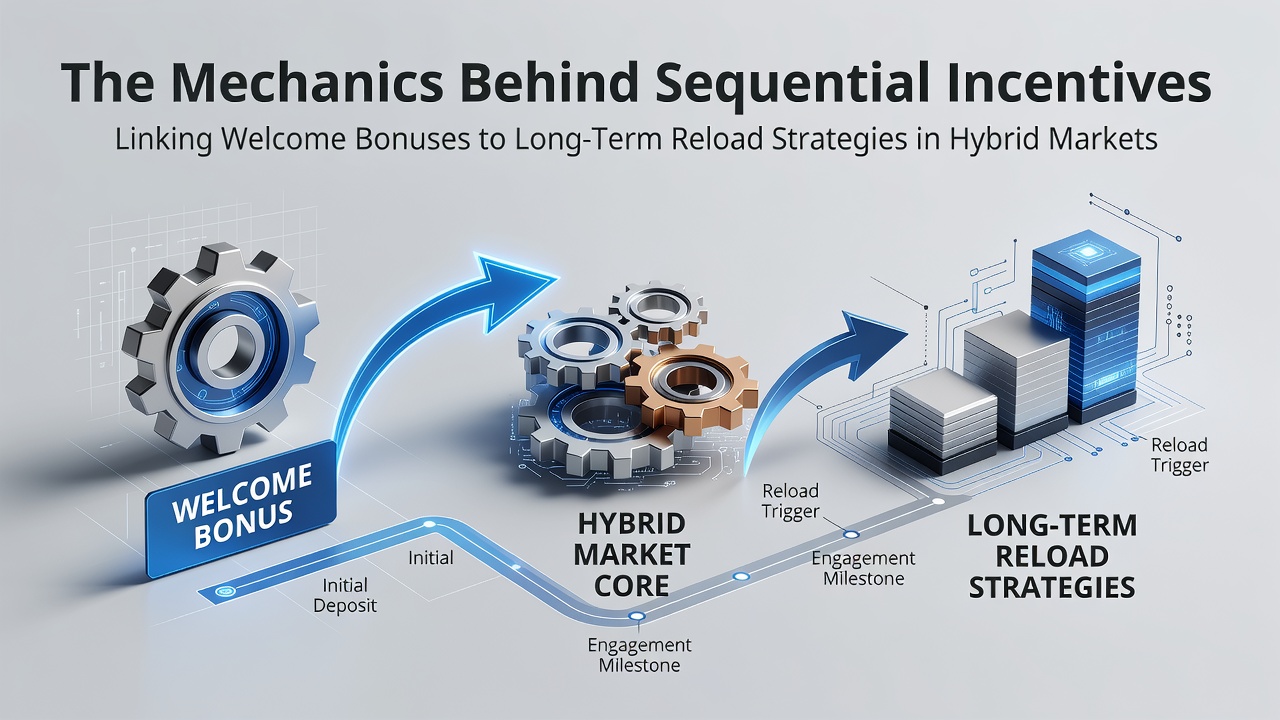
Hybrid wagering platforms combine sportsbooks and casino offerings under one account structure, which allows operators to design sequential incentive systems that start with welcome bonuses and extend into reload programs over multiple deposit cycles. These systems operate through automated tracking of wagering activity, deposit frequency, and loyalty milestones, creating pathways where initial bonus funds convert into ongoing promotional credits when players meet predefined thresholds.
Welcome Bonus Structures and Their Built-In Triggers
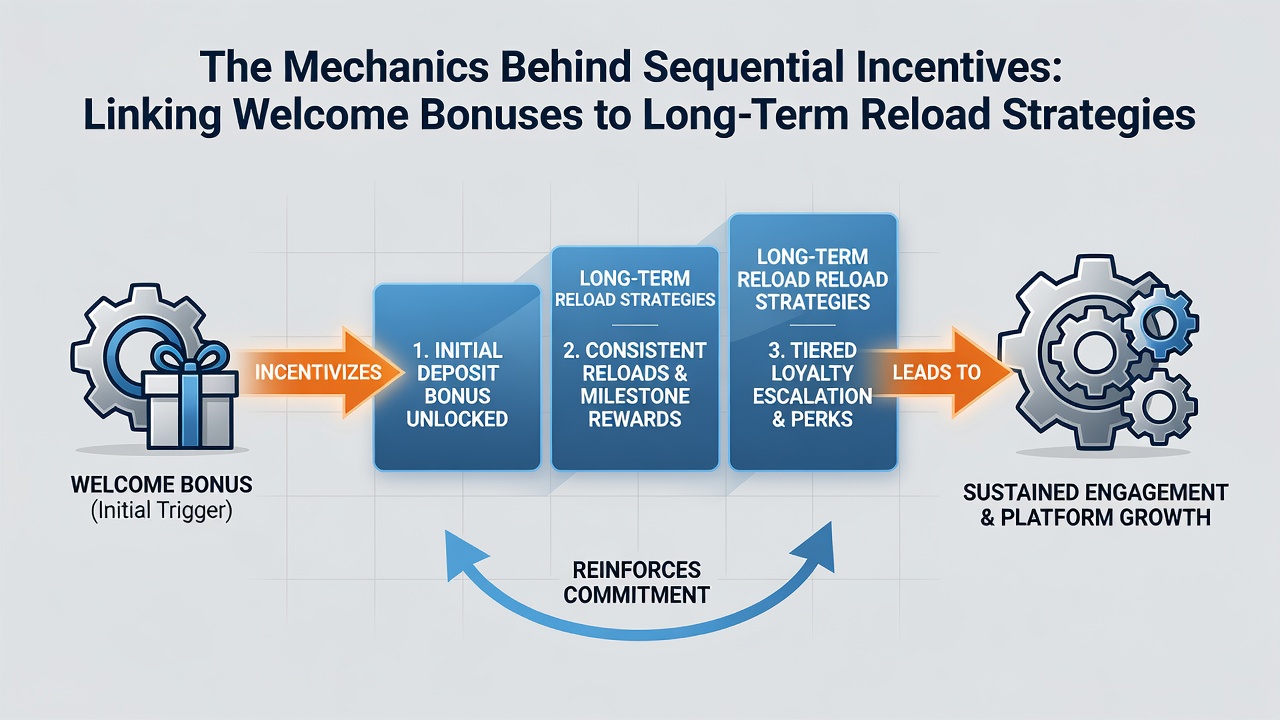
Welcome bonuses in these environments typically arrive as deposit matches or free bet credits that carry rollover requirements calculated across both sports and casino verticals. Data from integrated platforms shows operators set these requirements between 5x and 30x the bonus amount, with hybrid rules often permitting partial fulfillment through casino spins that count toward sports-related targets. When players complete the initial cycle, systems automatically flag eligibility for reload offers, which appear as percentage-based matches on subsequent deposits scheduled at weekly or monthly intervals.
One mechanism involves progressive unlock sequences where each completed rollover segment releases a portion of a larger bonus pool, and this pool feeds directly into reload eligibility without requiring separate opt-ins. Figures from platform analytics indicate that players who finish welcome rollovers within the first 14 days receive reload notifications at rates 40 percent higher than those who extend beyond that window.
Reload Mechanics and Cumulative Tracking
Reload strategies rely on cumulative tracking modules that record deposit patterns alongside wagering volume across both verticals. These modules apply tiered multipliers, so a player depositing $100 weekly might unlock a 50 percent match after four consecutive deposits, then see the match rise to 75 percent once total deposits reach a quarterly threshold. Hybrid markets incorporate cross-vertical contributions, meaning casino winnings from earlier welcome bonuses can count toward reload qualification if they remain in the account balance.
Operators embed time-based gates that reset monthly yet preserve streak data from prior periods, which means consistent activity across July 2026 maintained reload access even when players paused for short intervals. Reports compiled by state regulatory bodies such as the New Jersey Division of Gaming Enforcement document how these gates prevent bonus stacking while allowing seamless transitions between incentive layers.
Hybrid Market Integration Points
Integration occurs at the account ledger level where sports and casino balances share a common bonus wallet. This shared structure lets operators apply unified rollover ledgers that credit activity from live betting markets toward casino free spin requirements and vice versa. Systems also monitor prediction market activity when platforms include those contracts, routing any resulting credits into the same sequential pipeline that governs reload availability.
Industry associations including the Responsible Gambling Council have noted that hybrid platforms in multiple jurisdictions record higher retention when reload offers activate automatically upon welcome completion rather than through manual claims. The automation reduces drop-off points where players might exit after the initial bonus cycle.
Long-Term Pathway Construction
Long-term pathways form when reload credits themselves carry forward eligibility flags into VIP progression systems. Each reload cycle adds points to a loyalty ledger that unlocks higher match percentages or reduced rollover rates in subsequent months. Platforms update these ledgers in real time, so activity logged during July 2026 contributed directly to August tier adjustments without separate qualification events.
Researchers examining platform data have identified that players who link three or more reload cycles within a six-month span show sustained deposit frequency compared with those who receive only isolated welcome bonuses. The linkage depends on transparent communication of eligibility criteria through in-app notifications that reference prior bonus history.
Conclusion
Sequential incentive systems in hybrid markets function through interconnected tracking, automated eligibility flags, and shared ledgers that convert welcome bonuses into sustained reload access. These mechanics depend on precise rollover calculations, time-based gates, and cross-vertical credit rules that maintain continuity across deposit cycles. Regulatory documentation and platform reports continue to detail how such structures operate within legal frameworks across different regions.