Sequence Triggers in Offer Codes: Building Tiered Benefits Across Integrated Wagering Platforms
Written by Noah Bauer · Jun 12, 2026
Sequence Triggers in Offer Codes: Building Tiered Benefits Across Integrated Wagering Platforms
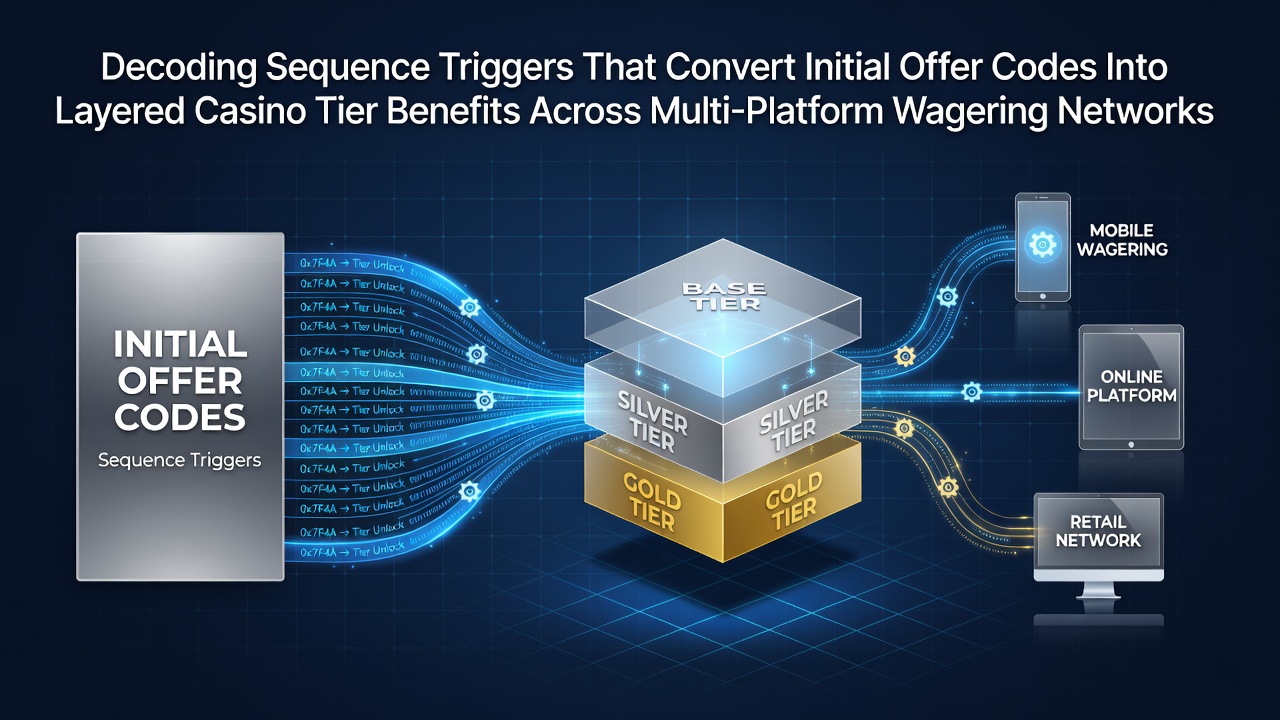
Initial offer codes serve as entry points that activate sequences leading to cumulative tier benefits in casino and sportsbook environments, and these sequences operate through defined trigger mechanisms that platforms track across multiple sites. Data from integrated wagering networks shows that a single code entry often initiates a chain of activity requirements, deposit thresholds, and engagement milestones that feed directly into loyalty frameworks, whereas isolated bonuses remain one-time events without further progression. Observers note that the conversion process depends on precise timing, wager volume, and platform connectivity, which together determine whether an entry-level code escalates into sustained tier status.
Mechanics of Initial Code Activation
Platforms register offer codes at the point of account creation or first deposit, after which automated systems monitor subsequent actions such as minimum wager counts and time-bound play requirements, and these actions function as sequential triggers that unlock the next layer of rewards. Research indicates that many networks require users to complete a set number of qualifying bets or achieve a specific loss threshold before the code advances to tier eligibility, while cross-platform linkages allow the same activity to count toward benefits on connected casino and sports betting interfaces. According to reports from the New Jersey Division of Gaming Enforcement, activity logs from hybrid operators in 2025 and early 2026 demonstrate consistent patterns where initial codes feed into loyalty databases within 24 to 72 hours of trigger completion.
Layering Process and Milestone Pathways
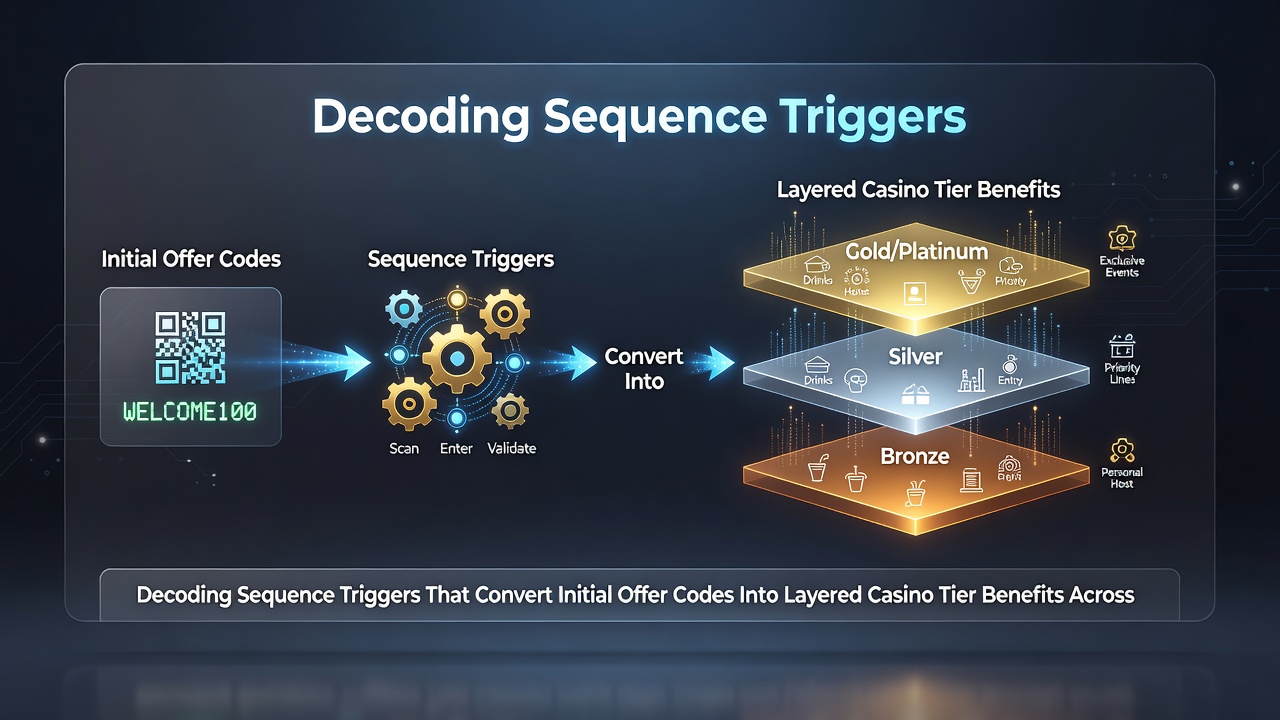
Once the first trigger activates, systems layer additional benefits by assigning points or status credits that accumulate toward higher tiers, and these layers typically include enhanced deposit matches, cashback percentages, and access to exclusive events that become available only after prior milestones are met. Studies from the American Gaming Association reveal that operators in regulated U.S. markets recorded a measurable increase in tier advancement rates during the first half of 2026, particularly when codes required multi-game participation across both casino and sports products. The process continues as long as activity remains consistent, with each completed layer resetting or extending the window for the next set of requirements.
Cross-Platform Integration in June 2026
Multi-platform networks now synchronize code sequences so that progress on one site contributes to tier status on others, and this integration relies on shared player profiles that update in real time across casino, sportsbook, and live dealer environments. Figures from the Canadian Gaming Association show that operators with unified loyalty systems reported higher retention metrics in June 2026 compared with single-platform models, because users who complete initial code triggers can carry momentum forward without starting over on each interface. What's interesting is that regulatory updates in several jurisdictions during the same month emphasized transparent tracking of these sequences, requiring operators to display milestone progress clearly within user dashboards.
Trigger Types and Their Conversion Rates
Different trigger categories produce varying outcomes in tier progression, with deposit-based codes converting at higher rates than free-play codes according to internal platform analytics shared in industry briefings. Wager-volume triggers require users to reach defined betting thresholds, whereas time-sensitive triggers impose deadlines that accelerate activity but also increase the chance of incomplete sequences. Data compiled by researchers at the University of Nevada, Las Vegas Gaming Innovation Lab indicates that networks offering combined casino and sports triggers achieved conversion rates above 40 percent in monitored periods through mid-2026, whereas standalone casino codes remained below that benchmark in the same datasets.
Examples of Sequence Pathways
One documented pathway begins with a welcome code that mandates five qualifying bets within seven days, after which the system awards status points that open reload opportunities and cashback eligibility on linked platforms, and continued play then feeds into monthly tier evaluations. Another sequence starts with a no-deposit code that credits small amounts for game trials, followed by optional deposit triggers that multiply the initial credits into tier credits when users meet volume targets. Platforms in Australia tracked by the Australian Communications and Media Authority have published summaries showing that users completing two or more linked triggers within a 30-day window advance an average of one full tier level faster than those completing isolated actions.
Conclusion
Sequence triggers embedded in initial offer codes create structured pathways that convert one-time entries into ongoing tier benefits across connected wagering platforms, and these pathways operate through monitored activity, shared databases, and milestone requirements that continue to evolve with regulatory and technological changes observed through June 2026. The factual mechanics remain consistent across operators that maintain integrated systems, with conversion success tied directly to how users fulfill each successive trigger condition.