Reward Chains in Modern Casinos: Building Player Loyalty Through Tiered Perks and Ongoing Engagement
Written by Henrik Bennett · Aug 23, 2026
Reward Chains in Modern Casinos: Building Player Loyalty Through Tiered Perks and Ongoing Engagement
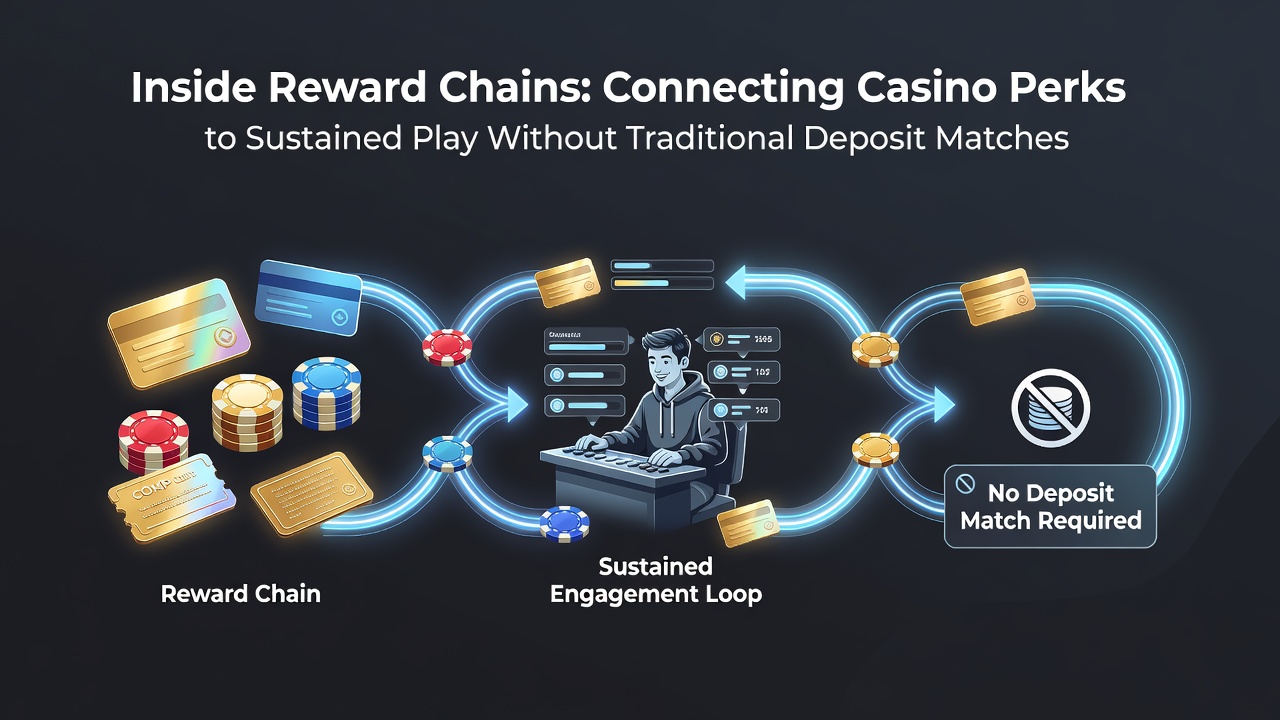
Modern casino platforms have shifted focus toward integrated reward chains that link daily play habits directly to escalating benefits, and these systems operate independently of conventional deposit match offers. Operators design sequences of milestones where accumulated activity unlocks progressive advantages such as priority event access, customized game selections, and accelerated point multipliers. Data from industry tracking services in August 2026 shows sustained participation rates rising when these chains replace one-time deposit incentives with layered, recurring rewards.
Mechanics of Reward Chain Construction
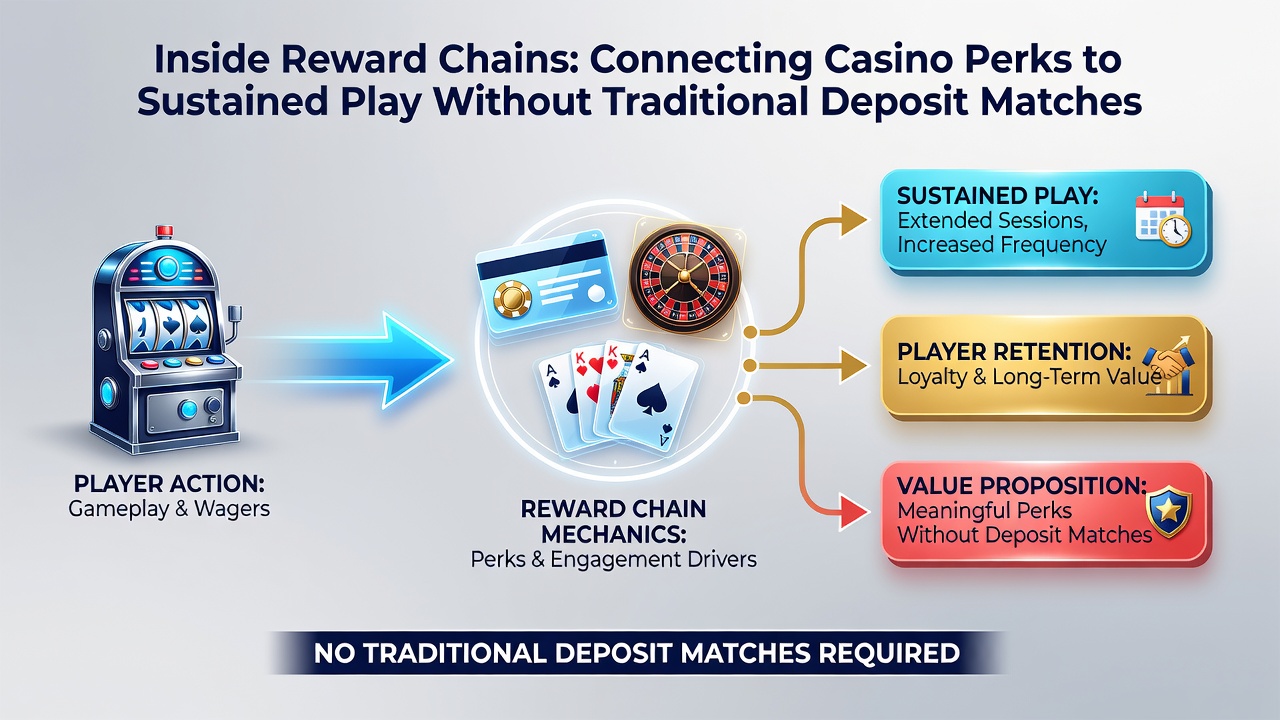
Platforms construct these chains by assigning activity points across multiple game categories, then mapping those points onto tier thresholds that trigger automatic perk releases. A player who logs consecutive sessions might advance from basic status to intermediate levels where cashback percentages increase, while further milestones grant tournament entries or personalized support lines. Researchers tracking platform data note that the structure encourages incremental progress because each completed segment feeds into the next without requiring fresh deposits to activate.
Systems often incorporate time-bound segments that reset on monthly cycles, creating fresh opportunities for advancement while preserving prior tier benefits. This approach maintains momentum across extended periods because players retain access to earned advantages even as new challenges appear. Observers at major gaming conferences in 2026 highlighted how these rolling segments differ from static loyalty programs by allowing participants to chain short-term goals into longer-term status gains.
Perk Categories That Replace Deposit Matches
Instead of deposit-based credits, reward chains emphasize experiential and operational advantages that compound with continued engagement. Common elements include reduced wagering requirements on accumulated points, exclusive access to limited-time game releases, and invitations to invite-only events that feature enhanced payout structures. Platforms also deliver accelerated withdrawal processing for higher-tier participants, which removes friction points that might otherwise interrupt play sequences.
Studies of player behavior patterns indicate these perks sustain activity because they integrate directly into regular gaming routines rather than functioning as separate promotional events. For instance, one North American operator reported in mid-2026 that participants who unlocked tiered cashback options showed longer average session durations compared with those relying solely on initial sign-up incentives. The connection between sustained play and reward delivery creates feedback loops where each session contributes to future advantages.
Integration With Broader Platform Ecosystems
Reward chains frequently connect with sportsbook modules and live dealer environments, allowing points earned in one vertical to count toward overall tier progression. This cross-category structure expands the pathways available for advancement because participants can select preferred activities while still moving along the same reward sequence. Regulatory filings from several U.S. states in August 2026 documented increased handle volumes coinciding with the rollout of unified loyalty frameworks that span casino and sports products.
Industry groups such as the American Gaming Association have tracked how these integrated systems affect retention metrics across different market segments. Their quarterly summaries reveal that operators deploying chained perks without deposit matches maintain steadier player bases during off-peak periods. The design reduces reliance on large promotional outlays while still delivering measurable engagement gains through consistent, smaller-scale rewards.
Observed Patterns in Player Progression
Tracking services monitoring August 2026 activity report that players typically reach the first tier threshold within seven to ten sessions when point accrual rates align with average bet volumes. Subsequent tiers require progressively higher activity levels, yet the incremental benefits offset the increased commitment for many participants. Case examples from Canadian provincial operators show similar progression curves, where reward chains tied to loyalty milestones correlate with reduced churn rates over six-month windows.
Academic analyses from university research centers examining digital gambling behaviors further support these observations by documenting how chained reward structures influence decision-making around session length and game selection. Participants appear more likely to explore new titles when doing so contributes directly to an active reward pathway, creating diversification in play patterns that benefits platform operators.
Conclusion
Reward chains represent a structural evolution in casino loyalty design that prioritizes ongoing engagement over initial deposit incentives. By mapping activity points to tiered advantages and distributing those advantages across multiple game types, platforms create self-reinforcing cycles of participation. Figures released in August 2026 from various regulatory and industry sources confirm measurable impacts on retention and session metrics where these systems operate. The approach continues to expand as operators refine milestone sequencing to match diverse player preferences across regional markets.