Navigating Loyalty Tiers and Cross-Platform Incentives Across Wagering Platforms
Written by Rosa Schulz · Aug 18, 2026
Navigating Loyalty Tiers and Cross-Platform Incentives Across Wagering Platforms
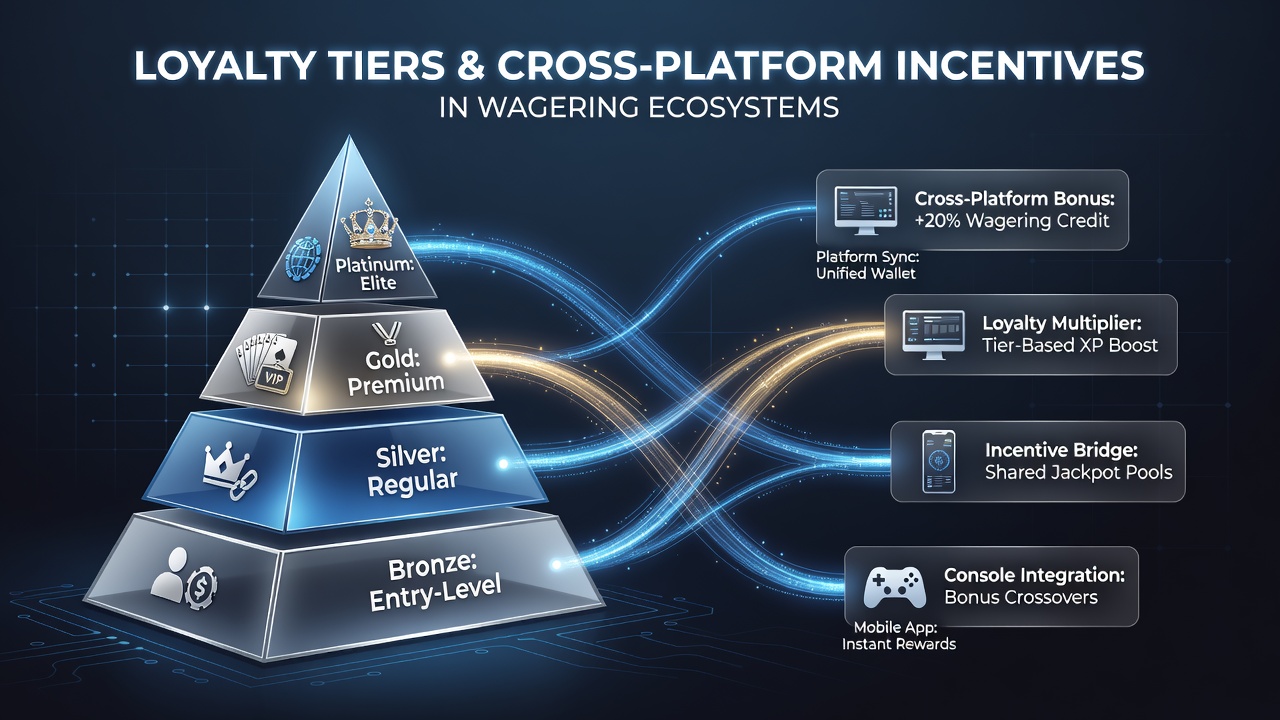
Observers note that loyalty tiers in wagering ecosystems now function as structured progression systems where participants advance through levels based on accumulated activity across multiple product verticals, and these tiers frequently intersect with cross-platform incentives that transfer value between sportsbooks, casinos, and poker rooms within the same operator network. Data from industry reports indicate that operators track metrics such as handle volume, deposit frequency, and retention periods to determine tier placement, while incentives like bonus credits, free spins, and enhanced odds appear as rewards that carry over when users switch between platforms.
Core Components of Loyalty Tier Systems
Researchers have documented how tier structures typically divide into categories such as entry-level, mid-tier, and premium segments, each granting escalating benefits that include cashback percentages, personalized support access, and event invitations, and these benefits activate once users reach defined thresholds measured in points earned from wagers placed. Figures released in August 2026 by several major operators reveal that point accrual rates vary by product type, with sports betting often contributing at a baseline multiplier while casino games apply higher rates during promotional windows, creating pathways where consistent multi-product engagement accelerates advancement.
Those who monitor platform analytics observe that tier maintenance requires ongoing activity thresholds reset on monthly or quarterly cycles, and failure to sustain the required volume results in automatic demotion, which in turn affects the value of any linked cross-platform incentives that depend on current status.
Mechanics of Cross-Platform Incentive Integration
Cross-platform incentives operate through unified account systems that recognize activity on one vertical as qualifying for rewards redeemable on another, and this design allows operators to distribute promotional value without isolating it to single products. Studies from research institutions show that shared wallets and synchronized progress trackers enable seamless transfers, such as converting sports betting points into casino free play credits, while eligibility for these conversions often scales according to the user's loyalty tier at the time of redemption.
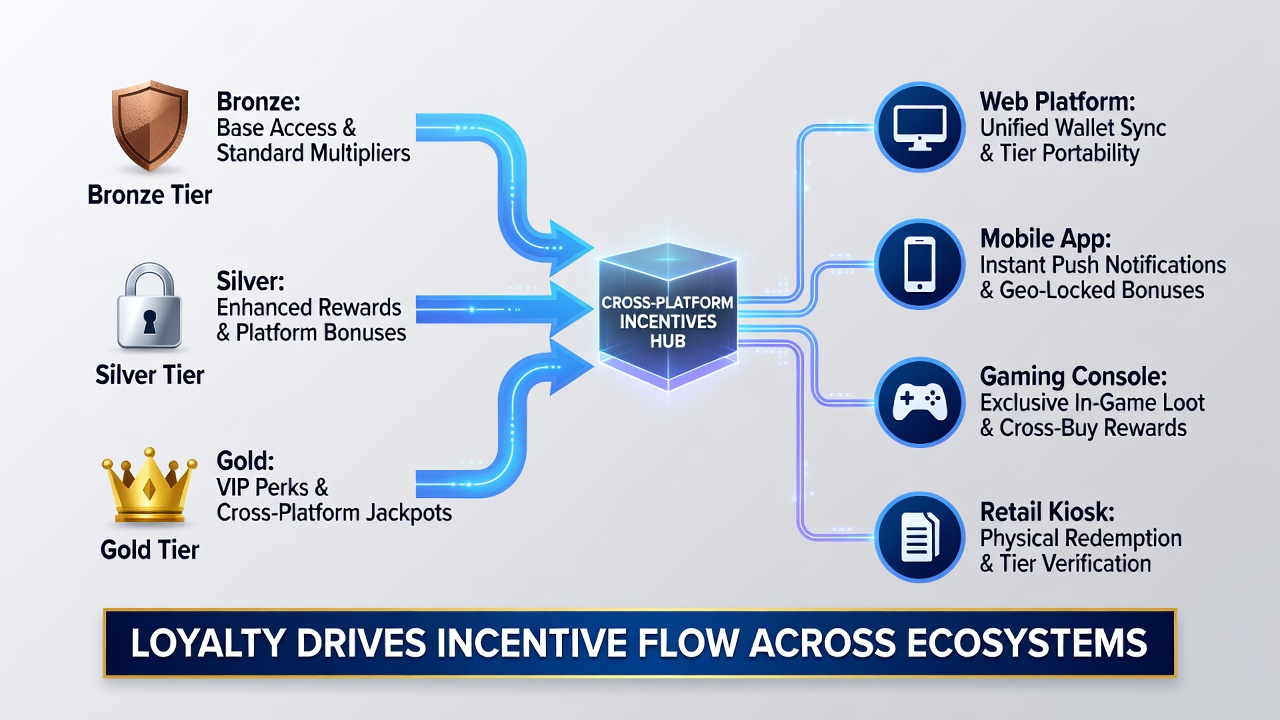
According to reports issued by the American Gaming Association, integrated systems in regulated markets recorded increased participation rates when incentives spanned both betting and gaming sections, and the same data sets highlight that operators adjust incentive values seasonally to align with major sporting events or casino game launches. European Gaming and Betting Association publications from the same period note parallel patterns in multi-jurisdictional operations where regulatory frameworks permit such linkages.
Observed Interactions and Platform Adaptations
Platform operators adjust tier criteria and incentive structures in response to usage patterns, and analysts tracking these adjustments note that higher-tier users receive priority access to limited-time cross-platform offers that lower-tier participants cannot access until they progress. This creates measurable differences in redemption behavior, with premium users showing higher rates of transferring rewards between verticals while entry-level users tend to concentrate activity on whichever product first granted their initial incentive.
One study released mid-2026 examined several integrated platforms and found that loyalty tier status directly modulated the conversion rates applied to cross-platform rewards, producing outcomes where gold-tier participants converted points at ratios up to 30 percent more favorable than base-tier users. Operators have responded by introducing hybrid milestones that combine volume requirements from multiple products, thereby encouraging broader engagement while still differentiating rewards by tier.
Regulatory Context and Data Trends in 2026
Regulatory bodies in multiple regions continue to review how loyalty and incentive programs intersect, with particular attention to transparency in point valuation and redemption terms, and August 2026 filings from several state-level commissions indicate ongoing monitoring of whether tier-based incentives disproportionately influence user behavior across product lines. Compliance documentation from these sources emphasizes clear disclosure of how cross-platform transfers affect taxable winnings and account balances.
Market data compiled during the same period shows steady growth in the number of operators deploying unified loyalty engines, and these systems now cover an expanding share of total handle across North American and European markets. Observers tracking these deployments note that technical integrations require robust identity verification layers to prevent incentive arbitrage between platforms operated under separate licenses.
Conclusion
The documented interplay between loyalty tiers and cross-platform incentives continues to shape how wagering ecosystems allocate rewards and measure participant value, and ongoing data collection from both operators and regulators provides the basis for understanding these mechanisms without reliance on subjective interpretation. Future adjustments will likely reflect accumulated performance metrics gathered across the 2026 calendar year.