Mapping the Evolution of Reload Mechanisms into Cumulative Advantage Frameworks for Frequent Participants Across Wagering Platforms
Written by Vera Lang · May 29, 2026
Mapping the Evolution of Reload Mechanisms into Cumulative Advantage Frameworks for Frequent Participants Across Wagering Platforms
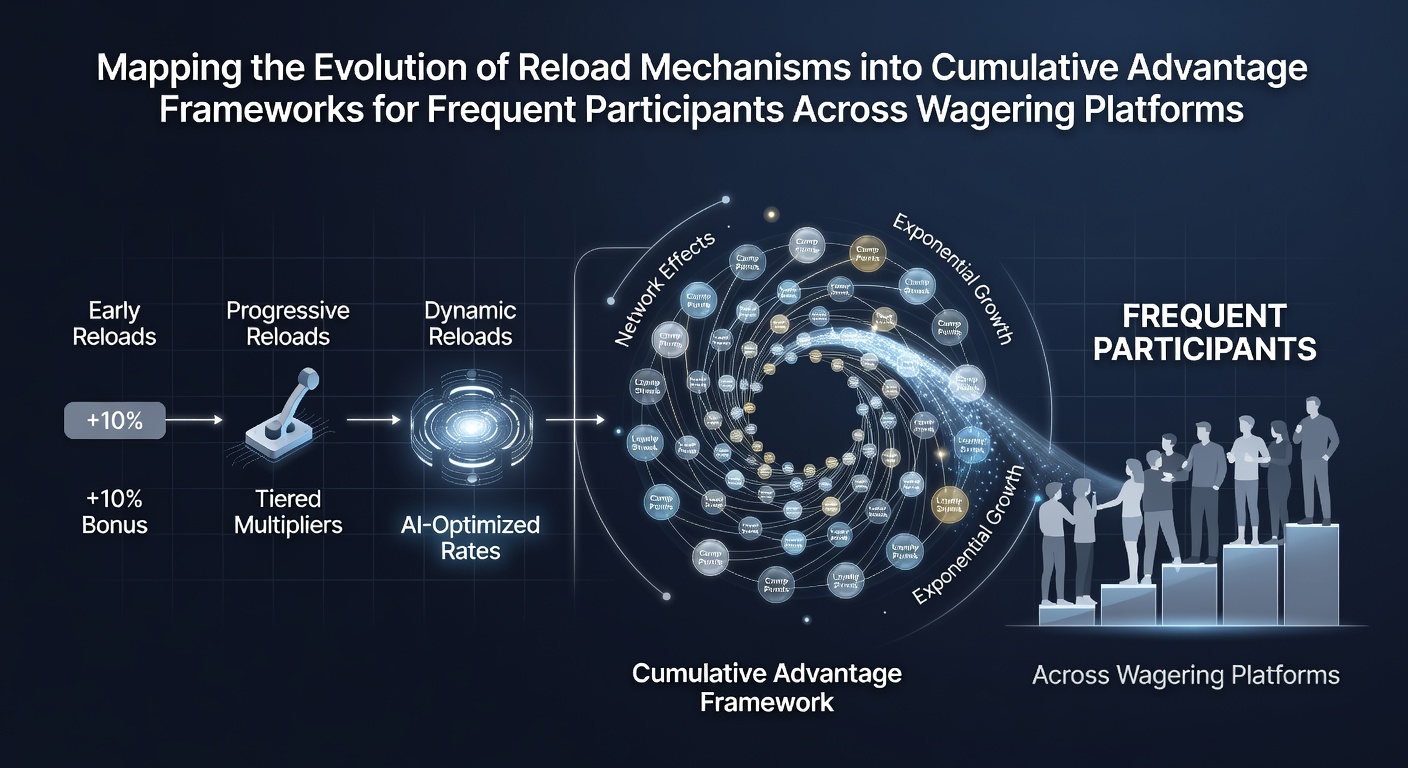
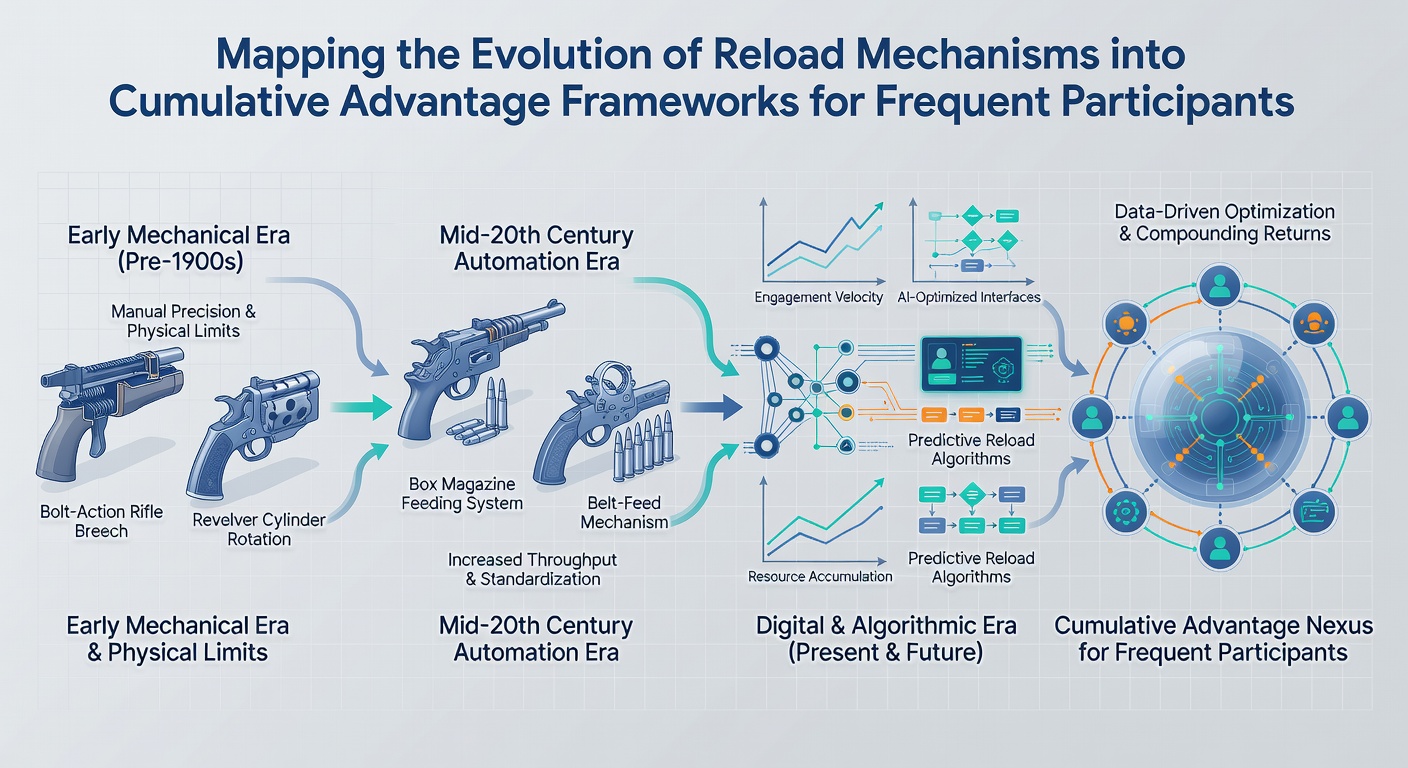
Reload mechanisms on wagering platforms began as straightforward deposit matches that rewarded users for additional funding after an initial sign-up, yet these tools have gradually transformed into intricate cumulative advantage frameworks that reward consistent participation with escalating benefits over extended periods. Observers note that early versions typically offered fixed percentage matches on deposits with basic wagering requirements, while later iterations incorporated loyalty points, tiered rewards, and personalized multipliers that build upon prior activity to create compounding edges for frequent users.
Industry data from 2025 into May 2026 indicates that platforms across North America and Europe have integrated these systems to retain high-volume participants, with many operators layering reload offers onto existing VIP structures so that repeated deposits contribute to milestone achievements and unlock enhanced terms such as reduced house edges or exclusive event access. Researchers tracking platform analytics have documented how a standard reload bonus, once limited to a one-time 50 percent match up to a set limit, now often feeds into point accumulation models where every dollar deposited adds to a running total that determines future reward rates.
Early Reload Structures and Their Limitations
Initial reload promotions emerged in the mid-2010s alongside the expansion of online sportsbooks and casinos, functioning primarily as periodic incentives that encouraged users to maintain account balances without long-term tracking of individual behavior patterns. These offers relied on uniform terms applied equally to all participants, which meant frequent users received the same treatment as occasional ones despite differences in volume and engagement levels. Data from regulatory filings shows that such flat structures often led to rapid redemption followed by dormancy, prompting operators to seek more sophisticated retention tactics by 2020.
Platform developers responded by embedding reload triggers within broader loyalty ecosystems, where deposit activity began generating persistent credits that carried forward across multiple sessions. This shift allowed systems to recognize patterns in user frequency and adjust subsequent offers accordingly, turning isolated reload events into building blocks for sustained advantages that grow with continued participation.
Integration with Tiered Loyalty and Point Systems
By 2023, major operators had begun merging reload mechanisms directly with cumulative point frameworks, so that each reload not only provided an immediate bonus but also accelerated progress toward higher status levels offering permanent perks. Those who've examined operator dashboards report that points earned through reload deposits now frequently compound with activity from betting or gaming, creating pathways where frequent participants unlock cashback rates that increase from 5 percent at entry tiers to 15 percent or more at advanced stages. According to figures released by the American Gaming Association, such integrations contributed to measurable rises in repeat deposit rates across monitored platforms during 2025.
What's notable is the way these frameworks adapt in real time, with algorithms adjusting reload multipliers based on a user's historical contribution to the platform rather than applying generic caps. One documented case involved a North American sportsbook that tied reload eligibility to milestone completion, where reaching a certain points threshold automatically upgraded the next deposit offer to include both a higher match percentage and reduced playthrough conditions. This approach has spread to additional markets, including regulated environments in Canada and Australia, where similar models support compliance while enhancing retention metrics.
Regional Variations and Regulatory Influences Through Mid-2026
North American platforms have emphasized reload-to-VIP linkages in response to state-level reporting requirements, whereas European operators have focused on transparency in how cumulative advantages are calculated and displayed to users. Reports from the Canadian Centre for Addictions and Mental Health highlight that frameworks incorporating reload activity into long-term reward calculations can influence player behavior patterns when communicated clearly. In May 2026, several operators updated their systems to include audit trails showing exactly how past reloads contribute to current advantage levels, a move aligned with broader calls for clearer disclosure from industry bodies.
Those monitoring international trends observe that Australian wagering sites have adopted hybrid models combining reload bonuses with seasonal campaigns, where cumulative points from deposits feed into leaderboard competitions that grant additional layered benefits. These variations demonstrate how the core evolution from simple reloads to cumulative systems adapts to local rules without altering the fundamental accumulation logic that benefits frequent participants.
Technical Implementation and User Tracking Advances
Modern frameworks rely on centralized user profiles that aggregate reload history with other platform interactions, enabling precise calculation of advantage thresholds. Developers have introduced modular code structures that allow reload offers to dynamically scale based on cumulative metrics stored in secure databases, reducing manual intervention while maintaining consistency across sessions. Evidence from platform case studies indicates that these technical upgrades have supported higher engagement among users who maintain steady deposit rhythms over six months or longer.
Operators continue to refine segmentation so that reload mechanisms target specific cohorts, such as those approaching a tier upgrade or those whose activity has plateaued, thereby sustaining the cumulative momentum that defines the evolved systems. This targeted delivery relies on data pipelines that update advantage calculations daily or even hourly during peak periods.
Conclusion
The progression from basic reload bonuses to integrated cumulative advantage frameworks reflects broader shifts in how wagering platforms manage participant retention through ongoing, layered incentives tied to frequency and volume. By May 2026, these systems had become standard across many regulated markets, supported by advances in tracking technology and shaped by regional compliance needs. Data from multiple industry sources confirms that frequent participants now navigate pathways where each reload deposit builds upon prior ones to unlock progressively stronger terms, creating structured advantages that reward sustained engagement rather than isolated actions.